If you’re thinking about incorporating this tretinoin purchase into the skincare routine, you’ll must make sure you use it properly to stop any unwelcome negative effects. Plus, you’ll should be extra careful when out in the sun. Read on to understand why.
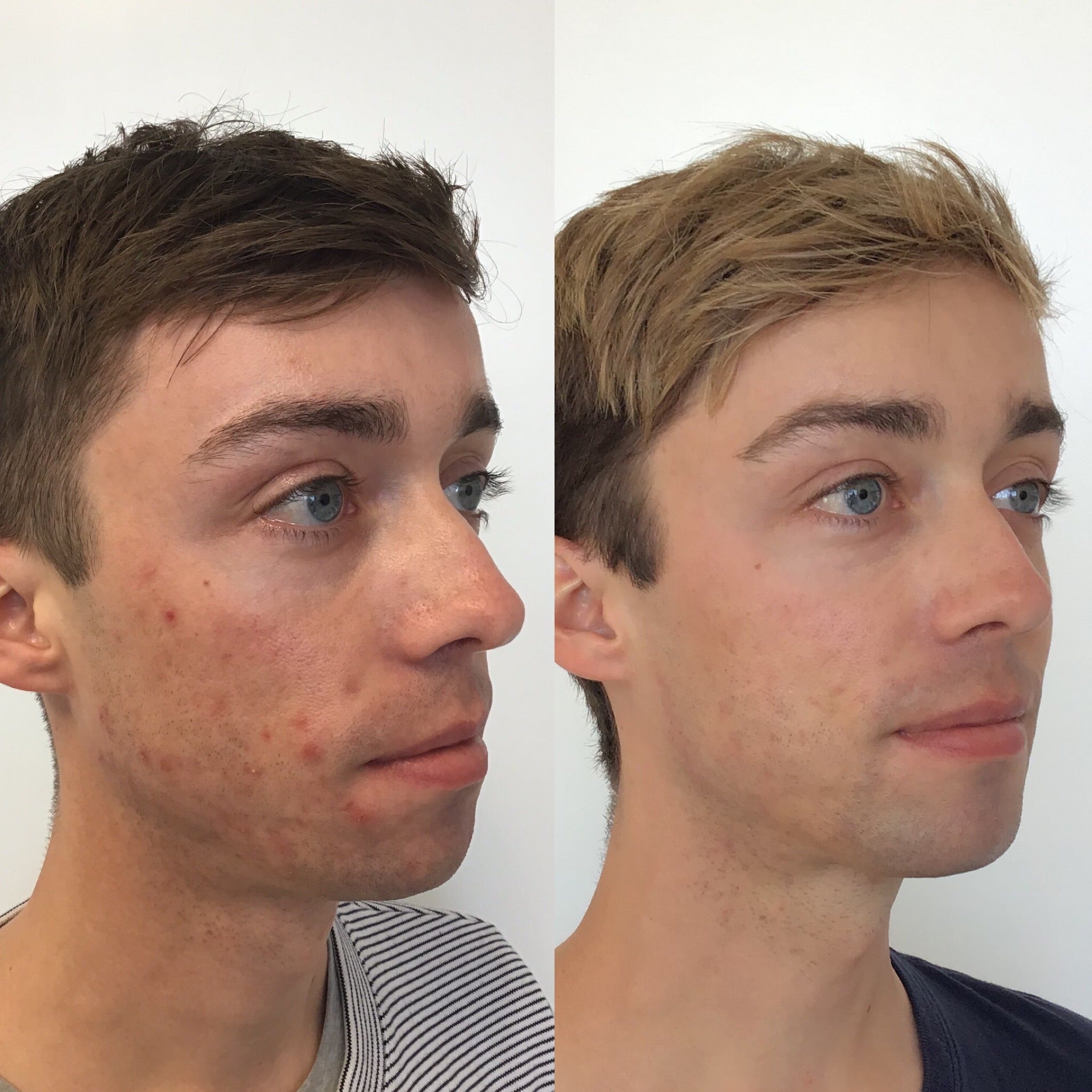
What is tretinoin?
Tretinoin (also known as prescription retinoids or prescription vitamin A) is really a highly potent, medical-grade topical vitamin A cream or gel. It contains retinoic acid, which is regarded as the biologically available active way of vitamin A, and will come in different formula strengths.
Unlike retinol and other over-the-counter versions of vitamin A, tretinoin can be a prescription-only topical treatment. This means you could only purchase it in case you have a script coming from a doctor or dermatologist who's properly assessed your epidermis and deemed its use appropriate.
Tretinoin vs. Retinol: what is the difference?
Tretinoin and retinol are generally classified as retinoids — but there are some key differences with shod and non-shod:
Tretinoin
Synthetic type of vitamin A
Only available which has a prescription (classed as a medical-grade skincare product)
Highly potent
Retinol
Natural kind of vitamin A
Available over-the-counter and found in many skincare products
Milder formulation
What is tretinoin useful for?
It may seem like tretinoin just has been around the skincare radar these days, but it’s actually a popular topical treatment for acne that’s been useful for almost fifty years. It has been found in lessening inflammation associated with acne, clear existing acne reducing the severity of outbreaks.
But treating acne isn’t tretinoin’s only benefit. A 2012 study indicates that it could also be helpful for:
Improving pores and skin and texture
Reducing the appearance of face lines and wrinkles
Reducing the appearance of dark spots on the skin
Improving premature aging of skin as a result of sun damage (photoaging)
Other research for the use of retinoids inside treatment of skin aging found that “amongst the retinoids, tretinoin possibly is easily the most potent and certainly one of the most widely investigated retinoid for photoaging therapy.”
How does tretinoin work?
Tretinoin functions speeding inside the cellular turnover in the skin, making skin cells divide and die faster so that new, healthier cells can replace them. However, to be able to stimulate this method, tretinoin must ultimately irritate your skin. This is why people often experience uncomfortable unwanted effects when first applying this product.
Most people start noticing a difference inside their skin after 2-3 weeks of employing the product, nevertheless it can take 6 or maybe more weeks for that full benefit to appear.
Can tretinoin fade skin spots or sunspots?
Some research suggests tretinoin can fade the appearance of dark spots on the skin. However, everyone’s skin is different as well as a topical treatment alone may not be essentially the most effective strategy to fade sun spots on your own face or body. This is why it’s important to consult having a dermatologist before starting any sun spot removal treatment so you can get personalised advice for the best approach on your skin.
Likewise, it’s important to experience a thorough skin check with a melanographer or dermatologist to confirm whether the spots you wish to fade truly are sunspots and not something more sinister. It can be difficult to recognize the difference from the harmless sunspot and a potential skin cancer or melanoma so be sure you have your skin layer spots professionally checked before using tretinoin or other prescription retinoids.
What are the negative effects of tretinoin?
Prescription retinoids like tretinoin are extremely powerful. This means you must have used them properly beneath the guidance of your dermatologist or doctor — or you might risk some unpleasant reactions like burning skin or a damaged skin barrier.
Due to its potency, tretinoin might cause some skin irritation when you first begin using it as your epidermis needs time for you to adjust on the active ingredients. Some other common unwanted side effects of tretinoin include mild to moderate:
Skin redness or inflammation
Dryness
Peeling or flaking
Itching
However, most people notice a reduction in these side effects after a few weeks of using the product.
Tretinoin photosensitivity: Why you need to be extra careful in the sun when using this product
Another side effect associated with the use of tretinoin is photosensitisation. This means it makes you more sensitive to the sun’s harmful UV rays and you may burn easily when encountered with sunlight.
From a skin cancer prevention perspective, this is problematic. One of the key risk factors for skin cancer is often a history of sunburn so it’s obvious why photosensitivity from tretinoin is concerning. While there is currently no evidence to suggest tretinoin use increases your likelihood of skin cancer, it’s crucial that you simply take extra precautions with sun protection when utilizing this product.
How to protect your skin from the sun when you use tretinoin:
Avoid excessive sun exposure — do not employ this product in the event you work outdoors or spend considerable time out in the sun
Wear SPF 50+ sunscreen every day — even in case you’re only staying indoors as indirect sunlight through windows could damage or burn the skin
Wear sun protective clothing when outdoors
Make regular skin checks part of your skincare routine
At MoleMap, we agree that looking after your skin can be a top priority. But when it comes to the skin health, we encourage you to think beyond skincare products and commence making regular skin cancer checks part of the skin wellness routine too.
By having a professional skin check or mole check every 6 to 12 months, you’ll give yourself the most effective chance to catch any suspicious spots or lesions early. Plus, you’ll also enjoy peace of mind that you just’re keeping the skin safe — inside and out. Consider scheduling these regular checks at MoleMap Australia Skin Cancer Clinics for expert care and thorough examination.